Unlocking a Healthier Future: The Revolutionary Impact of Wearable Technology in Monitoring

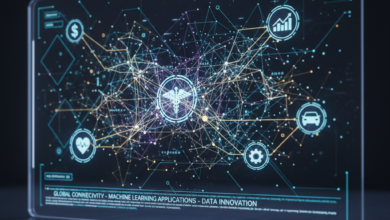
Wearable technology has transcended its initial role as a mere fitness fad, evolving into a sophisticated ecosystem that is fundamentally transforming health monitoring. From smartwatches to specialized sensors, these compact devices are putting unprecedented power into the hands of individuals, offering real-time insights into their physiological state and paving the way for a more proactive approach to well-being.
The Evolution of Wearables in Health Monitoring
The journey of wearable technology in healthcare began modestly, primarily tracking steps and calories. Today, it represents a pivotal shift, moving beyond basic activity logging to sophisticated health diagnostics. This evolution is driven by advancements in sensor technology, artificial intelligence, and data analytics, allowing for continuous, non-invasive monitoring that was once confined to clinical settings.




Beyond Step Counting: A Spectrum of Biometric Data
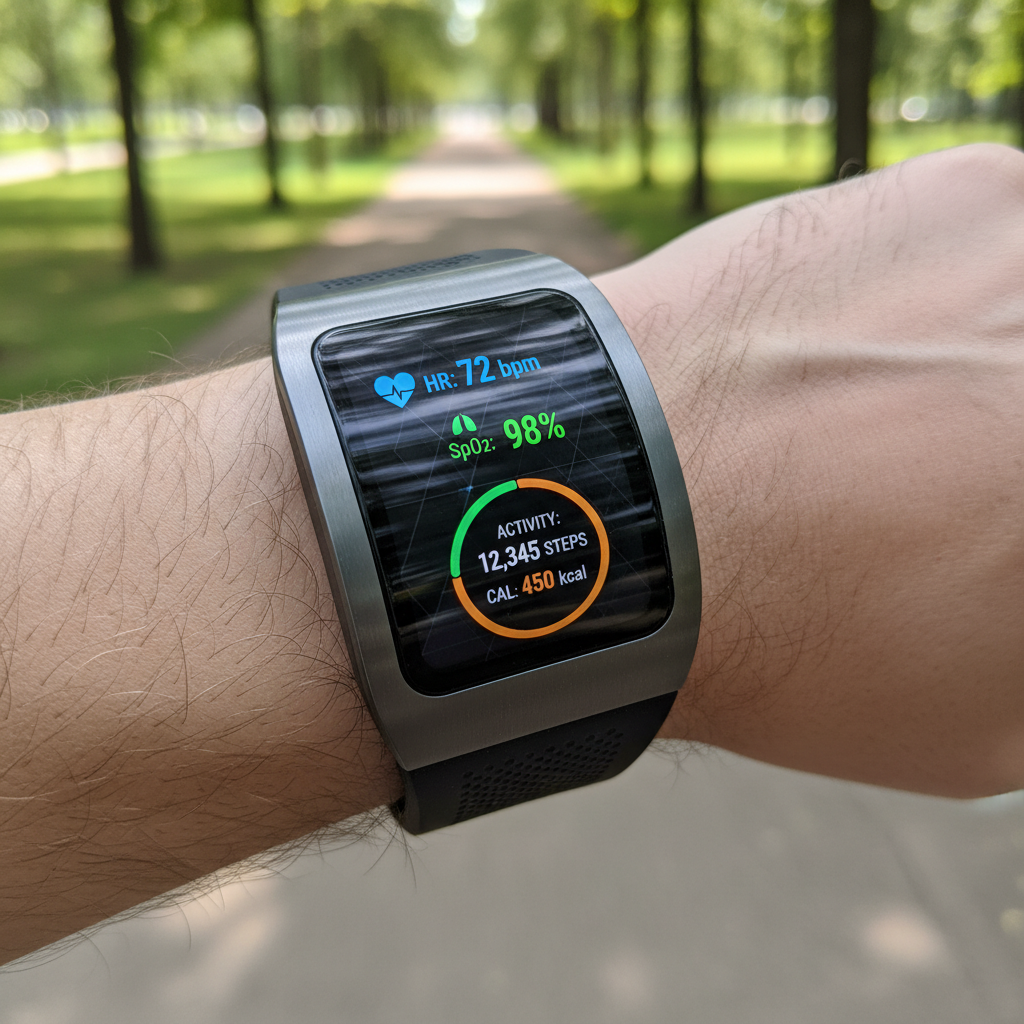
Modern wearables are equipped to capture a rich array of biometric data. They can monitor heart rate variability, blood oxygen levels, skin temperature, and even perform rudimentary electrocardiograms (ECGs). This continuous stream of data offers a holistic view of an individual’s health, enabling early detection of potential issues and personalized health management strategies.
Key Innovations Driving Health Monitoring
The rapid pace of innovation in wearable technology is yielding remarkable tools for health. These devices are becoming increasingly accurate, comfortable, and integrated into daily life, making health monitoring seamless and accessible.
Continuous Glucose Monitoring (CGM)
For individuals managing diabetes, Continuous Glucose Monitoring (CGM) systems integrated into wearables are a game-changer. These devices provide real-time glucose readings without the need for frequent finger pricks, offering invaluable data for managing blood sugar levels effectively and preventing critical fluctuations. This technology offers a window into how diet and exercise impact glucose, empowering users with actionable insights.
Advanced ECG and Arrhythmia Detection
Many smartwatches now feature medical-grade ECG capabilities, capable of detecting signs of atrial fibrillation (AFib) and other heart rhythm irregularities. This feature has already led to countless early diagnoses, allowing users to seek medical attention before more serious complications arise. The ability to record and share these readings directly with healthcare providers is transforming how cardiac health is managed.
Sleep Tracking and Analysis
Sleep quality is a critical, yet often overlooked, component of overall health. Wearables now offer comprehensive sleep tracking and analysis, monitoring sleep stages (REM, light, deep), duration, and disturbances. By providing detailed insights into sleep patterns, these devices help users identify habits and environments that may be affecting their rest, encouraging better sleep hygiene.
Stress and Mental Well-being
Emerging wearable technologies are also delving into the realm of mental health. Features that monitor heart rate variability and electrodermal activity can provide insights into stress levels, offering guided breathing exercises or prompts for mindfulness. This proactive approach to mental well-being highlights the expanding scope of wearable health.
The Promise of Proactive Healthcare
Wearable technology is not just about data collection; it’s about enabling a future of proactive, preventative healthcare. By providing constant feedback and early warning signs, these devices empower individuals to take greater ownership of their health journey.
Empowering Individuals for Self-Management
With intuitive dashboards and personalized insights, wearables make complex health data understandable and actionable. Users can track their fitness goals, monitor chronic conditions, and adjust their lifestyle choices based on real-time feedback. This fosters a sense of empowerment and encourages healthier habits.
Bridging the Gap with Healthcare Professionals
Beyond personal use, wearable data is increasingly becoming a valuable tool for healthcare providers. The ability to share continuous health data with doctors facilitates remote patient monitoring, allows for more informed diagnoses, and enables personalized treatment plans. This seamless data flow strengthens the patient-provider relationship and improves healthcare delivery.
Conclusion
Wearable technology has firmly established itself as an indispensable asset in modern health monitoring. Its innovations are not merely incremental; they are fundamentally reshaping how we understand, manage, and engage with our health. As these devices become even more sophisticated and integrated, they promise a future where health management is more personalized, proactive, and accessible to everyone, truly unlocking a healthier tomorrow.