Unlocking the Digital Frontier: A Comprehensive Guide to Blockchain, Web3, and Decentralized Applications

The internet, as we know it, is undergoing a profound transformation. From static pages to interactive social networks, we’ve witnessed remarkable evolution. Now, we stand on the cusp of the next iteration: Web3. At its core lies blockchain technology, an innovation poised to reshape how we interact with data, finance, and digital ownership. This guide will demystify blockchain, introduce you to the exciting world of Web3, and illuminate the potential of decentralized applications (dApps).
What is Blockchain?
Imagine a digital ledger that’s shared across a vast network of computers, constantly updated and virtually tamper-proof. That’s a blockchain. Unlike traditional databases controlled by a single entity, blockchain operates on a decentralized model, making it incredibly resilient and transparent. Each ‘block’ contains a list of transactions, and once validated, it’s added to a chain of previous blocks, creating an immutable record.





Core Principles of Blockchain
- Decentralization: No single authority controls the network. Instead, participants collectively maintain it, ensuring greater security and resistance to censorship.
- Immutability: Once a transaction is recorded on the blockchain, it cannot be altered or deleted. This creates a permanent, verifiable history.
- Transparency: All transactions are publicly visible (though often pseudo-anonymous), fostering trust and accountability within the network.
- Security: Cryptographic hashing and a consensus mechanism protect the network from fraudulent activities and unauthorized access.
The Dawn of Web3
Web3 represents the third generation of the internet, moving beyond the centralized platforms that define Web2 (think Google, Facebook, Amazon). While Web1 was about static information and Web2 about interactive content and social media controlled by corporations, Web3 envisions an internet where users regain ownership of their data and digital assets. It’s an internet built on decentralized technologies like blockchain.
Key Characteristics of Web3
- User Ownership: Users control their data and digital identities, rather than large corporations.
- Decentralization: Applications run on distributed networks, removing single points of failure and censorship.
- Trustless: Interactions can occur without the need for intermediaries or trusted third parties, thanks to cryptographic proofs.
- Open and Permissionless: Anyone can access and build on Web3 protocols without requiring permission from a central authority.
Understanding Decentralized Applications (dApps)
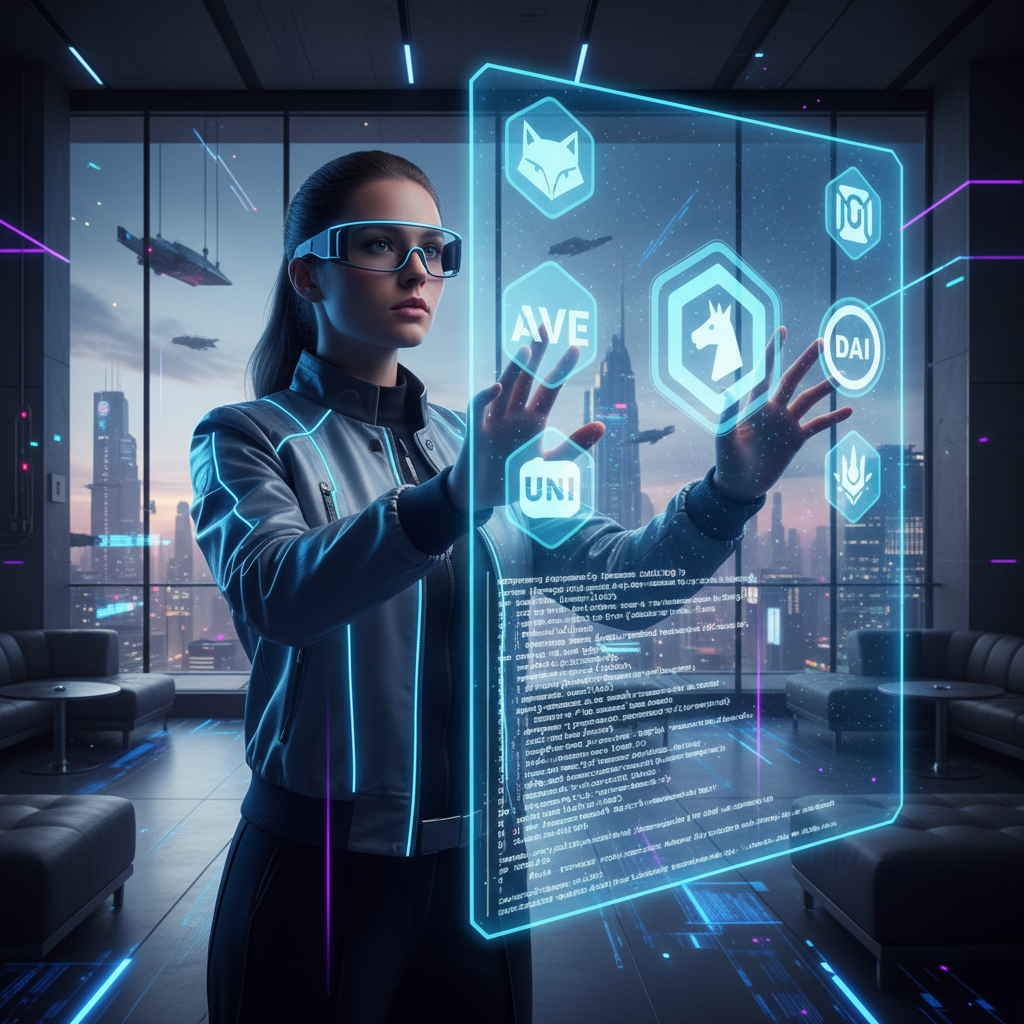
Decentralized applications, or dApps, are the software programs that run on a blockchain or peer-to-peer network rather than a single server. They are to Web3 what traditional apps are to Web2. The critical difference is their underlying infrastructure: dApps leverage the transparency, immutability, and security of blockchain technology.
How dApps Work
Most dApps utilize smart contracts, which are self-executing agreements with the terms of the agreement directly written into lines of code. These contracts automatically execute when predetermined conditions are met, eliminating the need for intermediaries and ensuring transparent, tamper-proof execution.
Advantages of dApps
- Censorship Resistance: Since no single entity controls them, dApps are difficult to shut down or censor.
- Transparency: The code and transactions of dApps are often publicly auditable on the blockchain.
- Enhanced Security: The distributed nature of blockchain makes dApps less susceptible to hacks and data breaches compared to centralized systems.
- User Control: Users have direct control over their assets and data, without intermediaries.
Challenges and the Road Ahead
While dApps offer compelling advantages, they also face challenges such as scalability limitations (transaction speed), user experience hurdles (complexity), and regulatory uncertainty. However, ongoing innovation in blockchain technology is continuously addressing these issues, paving the way for a more robust and user-friendly Web3 ecosystem.
Real-World Examples of dApps
- Decentralized Finance (DeFi): Platforms for lending, borrowing, trading, and insurance without traditional banks (e.g., Uniswap, Aave).
- NFT Marketplaces: Platforms to buy, sell, and trade unique digital assets (e.g., OpenSea, Rarible).
- Blockchain Gaming: Games where players truly own in-game assets as NFTs (e.g., Axie Infinity, The Sandbox).
- Decentralized Autonomous Organizations (DAOs): Organizations governed by code and community consensus, rather than a central leadership.
The Transformative Power of Web3
Web3, powered by blockchain and dApps, promises a paradigm shift across industries. From redefining finance and gaming to revolutionizing supply chains and digital identity, its potential is vast. By putting control back into the hands of users and fostering unprecedented transparency, Web3 is building a more equitable, secure, and open digital world.
Conclusion
Blockchain is more than just the technology behind cryptocurrencies; it’s the foundational layer for Web3, enabling a new era of decentralized applications. Understanding these concepts is no longer optional for the digitally literate; it’s essential for navigating the internet’s future. As Web3 continues to evolve, expect to see an explosion of innovative dApps that redefine our digital experiences, offering greater autonomy, security, and economic opportunity for everyone.